
On first thought, language and maps may seem very different from one another. Language is what people use to speak and write. Maps are what people use to find places. Digging a bit deeper, however, reveals that these two modes of communication are actually quite similar.乍一想,语言和地图似乎截然不同。语言是人们用来说话和写作的工具,而地图是人们用来寻找地点的工具。然而,深入探究后会发现,这两种交流方式实际上颇为相似。
Both are human inventions. Both help people understand their environments and how to live together in a complex world. In many ways, language and maps do similar work: They show us where we are, what matters, and how we can move forward.两者都是人类的发明。它们都帮助人们理解所处的环境以及在复杂世界中如何共处。在许多方面,语言和地图发挥着相似的作用:它们告诉我们身处何地、什么至关重要以及我们可以如何前行。
Just as language enables us to orient ourselves in the mental and cultural world, maps help us orient ourselves in physical and social space. They are not only tools for information or travel—they are tools for human life itself.正如语言能让我们在精神和文化世界中找到方向,地图也帮助我们在物理和社会空间中确定方位。它们不仅是获取信息或出行的工具,更是人类生活本身的工具。
Tools for Thinking 思考工具
Language helps us organize our thoughts. We use it to describe things, ask questions, and express complex ideas. Maps do something similar: They help us make sense of the space around us. They show us size, direction, and connection. In both cases, we take something too big to hold in our minds and place it into a system we can understand.语言帮助我们组织思想。我们用它来描述事物、提出问题和表达复杂的想法。地图的作用与之相似:它们帮助我们理解周围的空间。地图向我们展示大小、方向和联系。在这两种情况下,我们都是将某种大到无法在脑海中容纳的事物,放入一个我们能够理解的系统中。
This means both language and maps are cognitive tools. They are part of how we think—not only about the world but also about ourselves.这意味着语言和地图都是认知工具。它们是我们思考方式的一部分——不仅关乎世界,也关乎我们自身。
Tools for Acting 行动的工具
Language is also a tool of action. We use it to give instructions, make decisions, influence other people, and work together. Maps function in a similar way. They help us plan, choose paths, and make movements. Whether used by a hiker in the mountains or a politician drawing borders, maps guide people’s actions in the real world.语言也是一种行动工具。我们用它来下达指令、做决定、影响他人以及开展合作。地图的作用与之类似。它们帮助我们规划、选择路线并采取行动。无论是登山者在山间使用,还是政客划定边界时使用,地图都在指引人们在现实世界中的行动。
Again, we see a shared function between language and maps: Both systems help us go from thought to action.我们再次看到语言和地图之间的一个共同功能:这两个系统都帮助我们从想法转变为行动。
Systems for Communication 通信系统
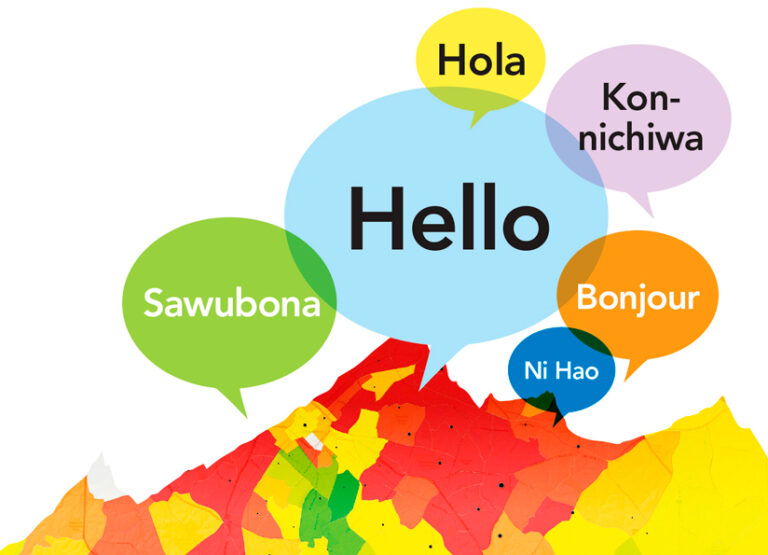
Language is our main method of communication. It allows us to share feelings, knowledge, memories, and questions. Maps also communicate—through symbols, shapes, and colors. A good map can speak across language barriers, cultures, and even time.语言是我们主要的交流方式。它让我们能够分享情感、知识、记忆和疑问。地图也能通过符号、形状和颜色进行交流。一幅好的地图可以跨越语言障碍、文化差异,甚至时间的界限传递信息。
In this way, both language and maps are media for passing on information—from person to person and generation to generation.通过这种方式,语言和地图都是传递信息的媒介——从一个人到另一个人,从一代到另一代。
Models of the World 世界模型
One important thing to remember is that neither language nor maps show “the truth” directly. They are models—tools that simplify, focus on certain details, and omit others. Language is not reality; it is a way to describe it. A map is not the landscape; it is a representation of it.需要记住的重要一点是,语言和地图都不能直接展示“真相”。它们都是模型——是用来简化事物、聚焦于某些细节并忽略其他细节的工具。语言并非现实,而是描述现实的一种方式。地图并非地貌本身,而是对地貌的一种呈现。
Because of this, both tools are powerful. They shape how we see the world, what we notice, and what we ignore.正因为如此,这两种工具都很强大。它们塑造了我们看待世界的方式、我们所关注的事物以及我们所忽略的事物。
Carriers of Power 权力的载体
With the power of language and maps comes responsibility. Who writes the language? Who draws the map? These are not small questions. Language shapes how we think about identity, history, and truth. The same is true for maps: they define borders, make political claims, and include or exclude people.语言和地图的力量带来了责任。谁在书写语言?谁在绘制地图?这些都不是小问题。语言塑造了我们对身份、历史和真相的思考方式。地图也是如此:它们定义边界、提出政治主张,并将一些人包含在内或将另一些人排除在外。
So language and maps are not neutral. They can be used to support power or challenge it.因此,语言和地图并非中立的。它们可以被用来支持权力,也可以被用来挑战权力。
Cultural Meaning 文化意义
Both language and maps carry deep cultural meaning. The words people use come from their traditions, values, and past. Likewise, the symbols, place names, and colors employed in maps reflect what a society deems important.语言和地图都承载着深厚的文化内涵。人们使用的词汇源于他们的传统、价值观和历史。同样,地图中使用的符号、地名和颜色也反映了一个社会认为重要的事物。
In this way, language and maps help people keep and share their cultural identities.通过这种方式,语言和地图帮助人们保留并分享他们的文化身份。
Always Changing 不断变化
Language continually evolves. New words come into fashion and old ones fall out of use. Social media, new technology, and global communication all shape the way we speak. Maps also change. Digital tools such as GPS and GIS allow people to make and update maps in real time. Changes to the environment, migration, and politics also create new mapping needs.语言在不断演变。新词开始流行,旧词则不再被使用。社交媒体、新技术和全球通讯都在塑造我们的说话方式。地图也在发生变化。GPS和GIS等数字工具使人们能够实时制作和更新地图。环境变化、人口迁移和政治因素也催生了新的地图绘制需求。
What this means is both systems are dynamic. Language and maps grow and evolve with us.这意味着这两个系统都是动态的。语言和地图都随着我们一起发展和演变。
Tools for Creativity 创造力工具
We must not forget the creative aspects of these two systems. Language is not only for facts—it also gives us poetry, stories, jokes, and songs. Maps, too, are not only for navigation—they are used in art, protest, games, and fiction. Think of mind maps or fantasy maps. These are ways humans use structure and space to express their feelings and ideas.我们绝不能忘记这两个系统的创造性方面。语言不仅用于陈述事实——它还为我们带来诗歌、故事、笑话和歌曲。地图也不只是用于导航——它们还被应用于艺术、抗议、游戏和虚构作品中。想想思维导图或奇幻地图吧,这些都是人类利用结构和空间来表达情感与想法的方式。
Thus, both language and maps are not only technical, but they are also poetic.因此,语言和地图不仅具有技术性,还具有诗意。
A Critical Perspective 一个批判性视角
Of course, the idea that maps and language are helpful tools sounds positive, but these modes of communication must also be viewed through a critical lens. These tools don’t just show us the world—they also shape it. This means they can also limit our view. Languages may ignore or erase underrepresented voices, and maps can leave out certain people.当然,地图和语言是有用工具的观点听起来是积极的,但也必须以批判性的视角来看待这些交流方式。这些工具不仅向我们展示世界,还塑造着世界。这意味着它们也可能限制我们的视野。语言可能会忽视或抹去那些代表性不足的声音,而地图也可能遗漏某些群体。
AI systems, for example, now use language and maps based on data that may carry old stereotypes or perpetuate inequalities. If we are not careful, we risk building systems that repeat those same exclusions on a much larger scale. So while language and maps help us make sense of the world, they can also hide, distort, or even control it. Being aware of this is essential—especially in a time when machines also employ these tools for us.例如,人工智能系统现在所使用的语言和地图,其依据的数据可能带有陈旧的刻板印象,或者会加剧不平等现象。如果我们不够谨慎,就可能构建出在更大范围内重复这些排斥行为的系统。因此,尽管语言和地图帮助我们理解世界,但它们也可能隐藏、扭曲甚至控制这个世界。意识到这一点至关重要,尤其是在机器也在为我们使用这些工具的时代。
In the Age of AI 在人工智能时代
AI can already write text, answer questions, and draw maps. These AI systems are fast and powerful. But we should always remember that they still rely on tools that were made by humans, for humans.人工智能已经能够撰写文本、回答问题和绘制地图。这些人工智能系统速度快且功能强大。但我们应该始终记住,它们仍然依赖于人类为人类制造的工具。
The basic functions of language and maps—to help people think, act, communicate, and understand—will not disappear, but they may change. And we must ensure that these changes still support people, not just machines. Because in the end, language and maps are more than tools. They are part of what makes us human. They connect us to each other—and help us find our way not only on Earth but also in our minds, cultures, and the future.语言和地图的基本功能——帮助人们思考、行动、交流和理解——不会消失,但可能会发生改变。而我们必须确保这些变化仍然服务于人类,而非仅仅是机器。因为归根结底,语言和地图不仅仅是工具。它们是构成我们人性的一部分。它们将我们彼此联系在一起,不仅帮助我们在地球上找到方向,也帮助我们在思想、文化和未来中找到方向。





没有回复内容