
“Give your story a hero.” “给你的故事一个主角。”
Whether it’s a human, an animal, a building, or something else entirely, incorporating a hero in your story is an incredibly effective storytelling technique that can help create an emotional and visual connection with readers.无论是人、动物、建筑,还是其他任何事物,在故事中加入一个主角都是一种非常有效的叙事技巧,有助于与读者建立情感和视觉上的联系。
This is especially important when considering that the maps we use to tell those stories rely on abstraction — a building becomes a point, a park a polygon, and a bridge a line. While this is necessary to convey complex spatial information, it can distance readers from the subject.考虑到我们用来讲述这些故事的地图依赖于抽象化——建筑物变成一个点,公园变成一个多边形,桥梁变成一条线,这一点就显得尤为重要。虽然这对于传递复杂的空间信息是必要的,但它可能会让读者与主题产生距离。
Why use 3D models 为什么使用3D模型
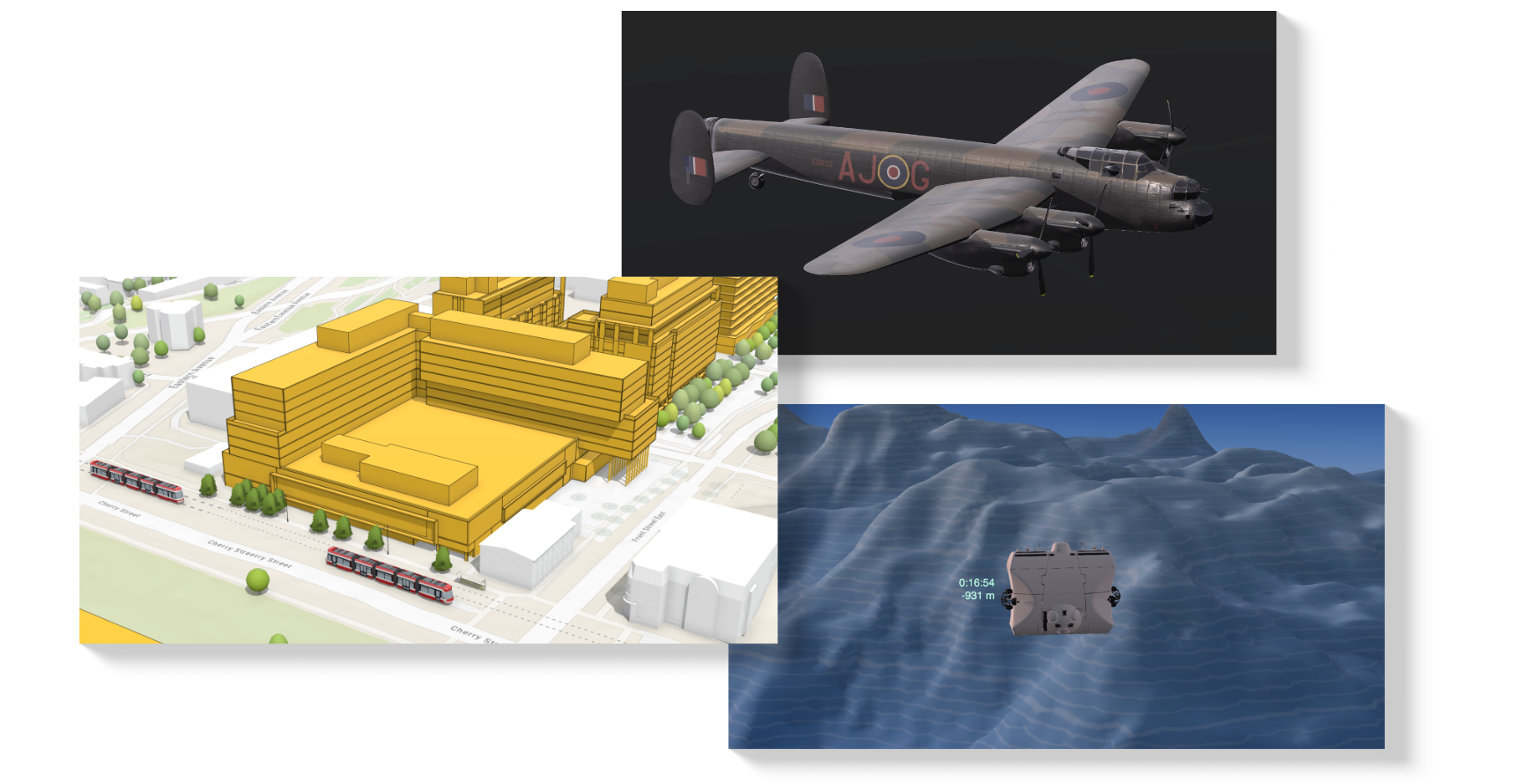
That’s where 3D models come in. Much like giving your story a hero, incorporating models of your subject can help move beyond abstraction to create a more engaging, immersive experience that pulls readers in.这就是3D模型的用武之地。就像给你的故事设定一个主角一样,融入主题模型有助于摆脱抽象的表述,创造出更具吸引力、更沉浸式的体验,从而吸引读者。
With high‑quality 3D models becoming increasingly accessible through open collections like Smithsonian Open Access, it’s easier than ever to bring depth and dimension into your work by showing the real thing — or at least a real 3D model of it — in context.随着高质量的3D模型通过史密森尼开放获取(Smithsonian Open Access)等开放资源库变得越来越容易获取,通过在特定场景中展示实物——或者至少是实物的真实3D模型,来为你的作品增添深度和维度,比以往任何时候都要简单。
So why does this matter for storytelling?那么这对讲故事来说为什么重要呢?
Boost engagement and curiosity 提升参与度和好奇心
Readers are naturally drawn to content that feels dynamic and interactive. A scene with a 3D model invites exploration, enabling your audience to zoom, tap, and spin a scene to examine a structure or object from multiple angles.读者自然会被富有动态感和互动性的内容所吸引。包含3D模型的场景能激发探索欲,让受众可以通过缩放、点击和旋转场景,从多个角度观察某个结构或物体。
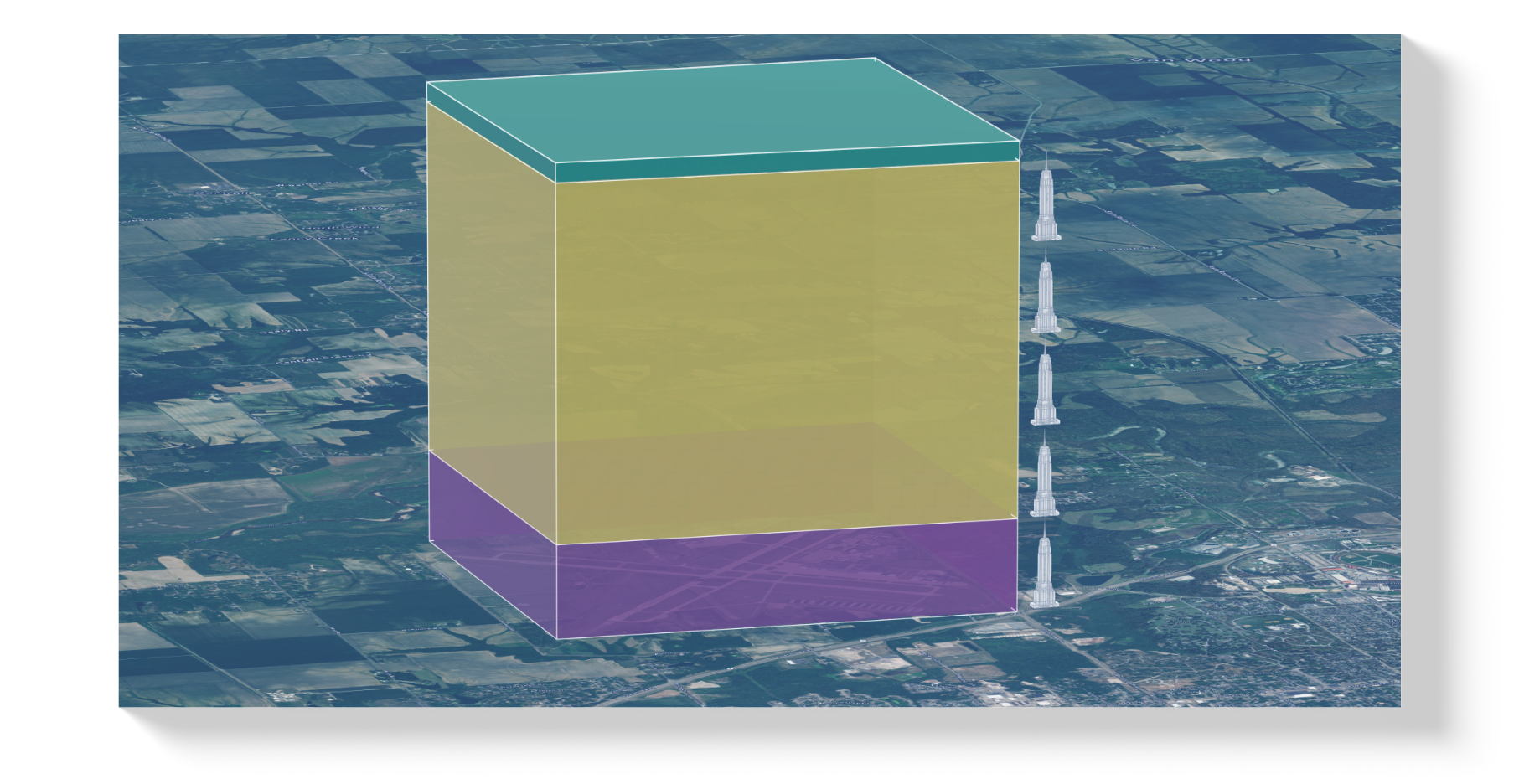
This interactivity can be further enhanced by the freedom that comes from incorporating 3D models. Since these models exist in a digital space, for instance, you’re free to make comparisons that would be impossible in reality.这种交互性可以通过融入3D模型所带来的自由度得到进一步增强。例如,由于这些模型存在于数字空间中,你可以自由地进行在现实中不可能实现的比较。
Want to span the Grand Canyon with the Golden Gate Bridge?想用金门大桥横跨科罗拉多大峡谷吗?
Go for it! 放手去做吧!
Want to stage the Wright Flyer, Bell X-1, and Space Shuttle along a runway in a parade of aeronautical milestones?想要在跑道上展示“莱特飞行者号”、“贝尔X-1”和“航天飞机”,上演一场航空里程碑大游行吗?
You’re clear for takeoff! 可以起飞了!
These creative juxtapositions not only grab attention — they spark curiosity and keep readers engaged, making your story not just something they read, but something they interact with.这些富有创意的并置不仅能吸引注意力,还能激发好奇心,让读者保持参与感,使你的故事不仅仅是他们阅读的内容,更是他们会与之互动的东西。
Provide context and scale 提供背景和规模
While creative comparisons of scale can be engaging, one of the strengths of using 3D models in a scene is their ability to convey size and relationships across all dimensions, as we experience the world.虽然富有创意的规模对比可能颇具吸引力,但在场景中使用3D模型的一大优势在于,它们能够像我们体验世界那样,在所有维度上传递物体的大小及相互关系。
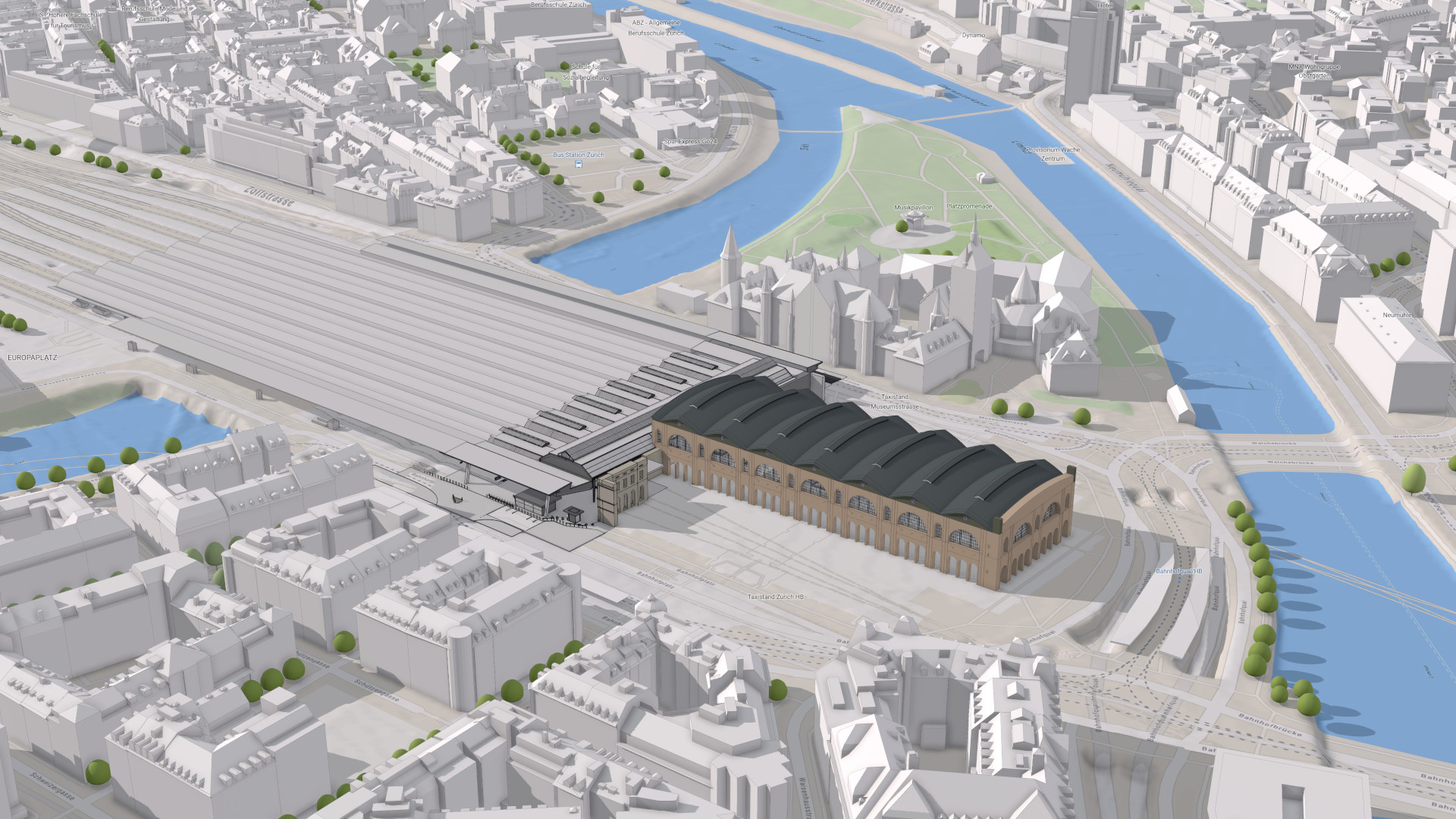
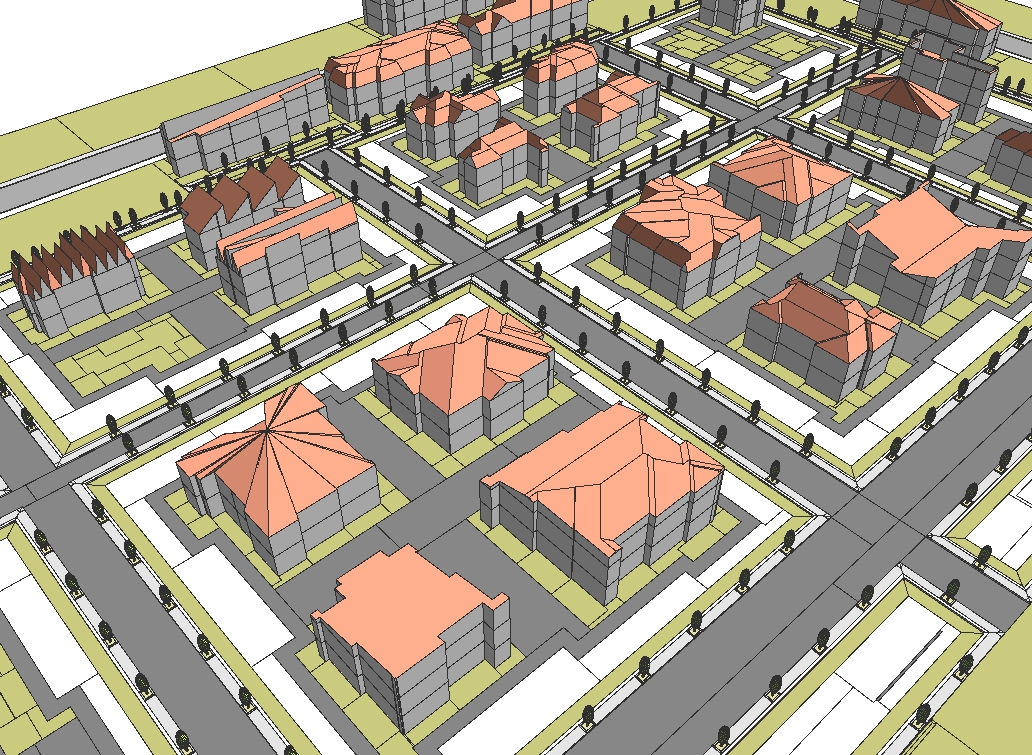
For instance, a map may depict the footprint of a proposed building as a simple polygon, but it doesn’t convey the structure’s form or how its design interacts with the surrounding landscape. Communicating these nuances is essential in the architecture and engineering industries. With 3D, readers can see these features in context — zooming in to appreciate architectural features or pulling back to understand how a structure fits within a neighborhood.例如,地图可能会将拟建建筑的占地范围描绘成一个简单的多边形,但无法传达该建筑的形态以及其设计与周边景观的互动方式。在建筑和工程行业,传达这些细微之处至关重要。借助3D技术,读者可以在具体语境中看到这些特征——既能放大查看以欣赏建筑细节,也能拉远视角以了解建筑如何与周边环境相契合。
This added perspective transforms abstract data into something tangible, helping readers grasp not just where something is, but what it really looks like and how it relates to everything around it.这种额外的视角将抽象的数据转化为具体的事物,帮助读者不仅理解事物的位置,还能了解它的实际样子以及它与周围一切的关联。
Stories: 故事:
Create an emotional connection 建立情感联系
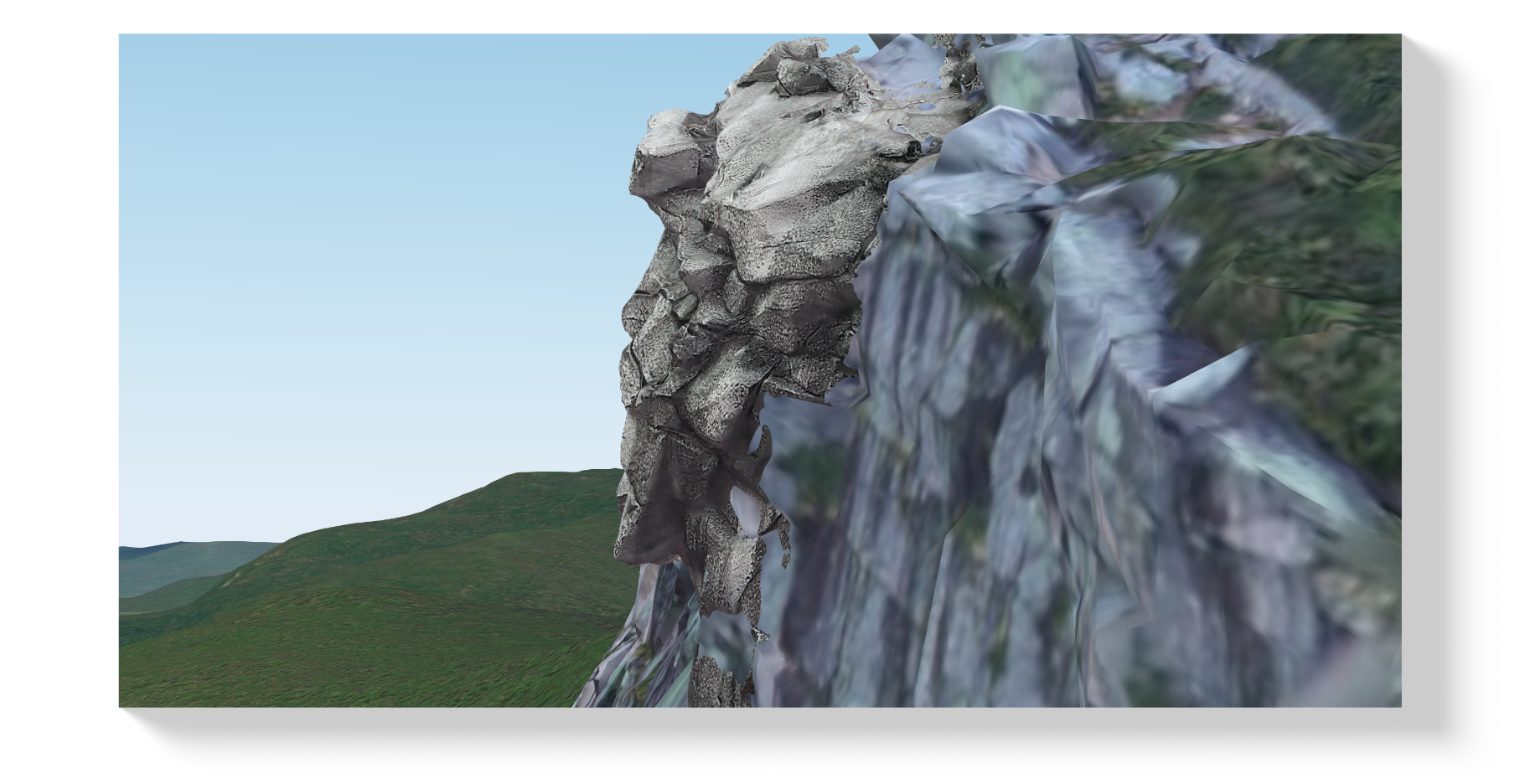
The subjects of our stories are often iconic and instantly recognizable — but when we present them in overly abstract ways, their resemblance can be difficult to discern or even disappear altogether. Depicting a famous landmark as a simple dot on a map or reducing it to a more generic 3D shape strips away the distinctive qualities that make it resonate with readers.我们故事的主题往往具有标志性且易于辨认——但当我们以过于抽象的方式呈现它们时,其相似性可能难以辨别,甚至完全消失。将著名地标描绘成地图上的一个简单圆点,或将其简化为更通用的3D形状,都会剥夺使其与读者产生共鸣的独特特质。
This loss of detail matters. It’s those recognizable features — the details, textures, and shapes — that contribute to a sense of familiarity and the basis of an emotional connection. Without that connection, the story becomes less compelling and the opportunity to truly engage readers slips away.这种细节的缺失很重要。正是那些可识别的特征——细节、纹理和形状——构成了熟悉感和情感联系的基础。没有这种联系,故事就会变得不那么引人入胜,真正吸引读者的机会也会溜走。
Clarity for complex subjects 复杂主题的清晰呈现
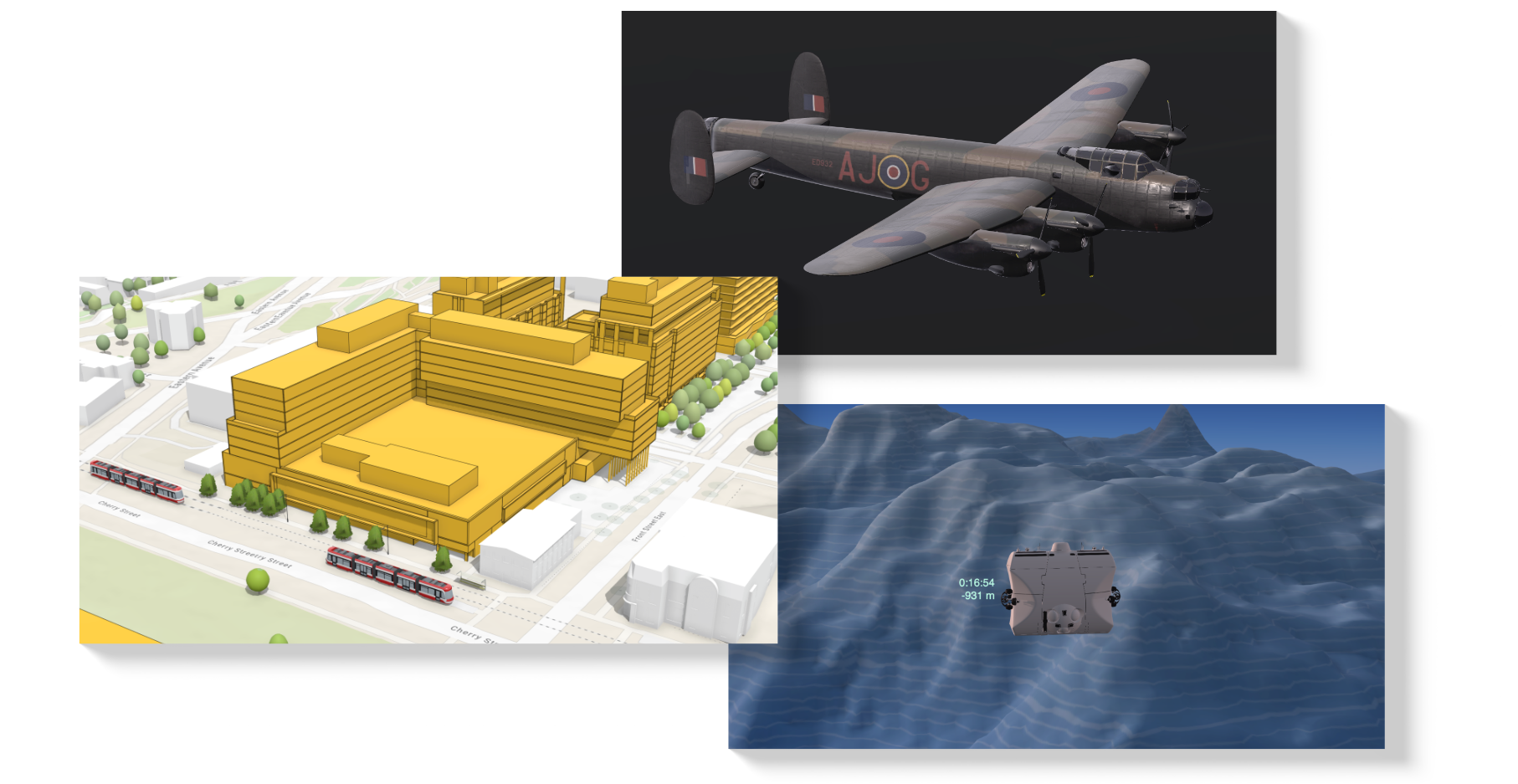
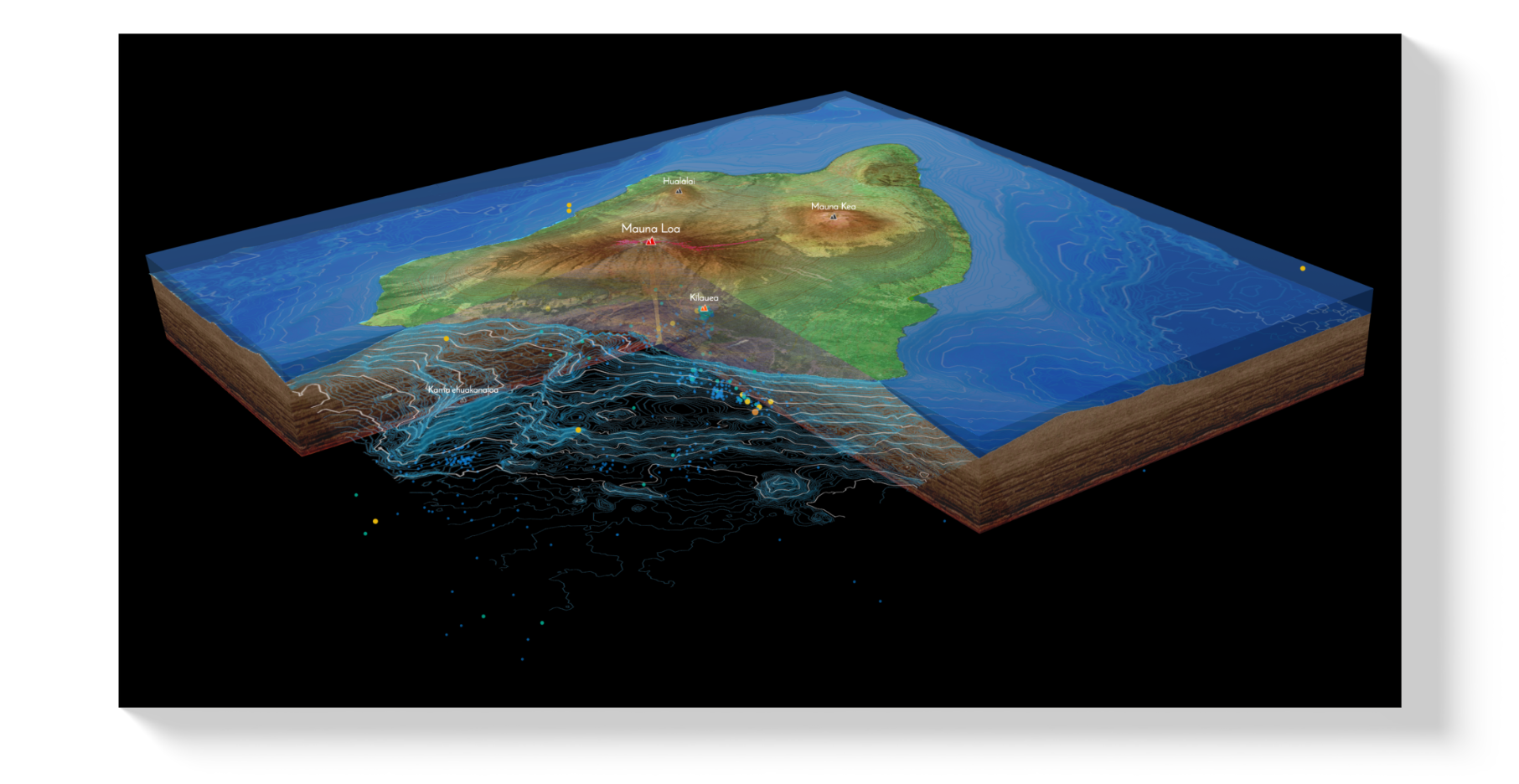
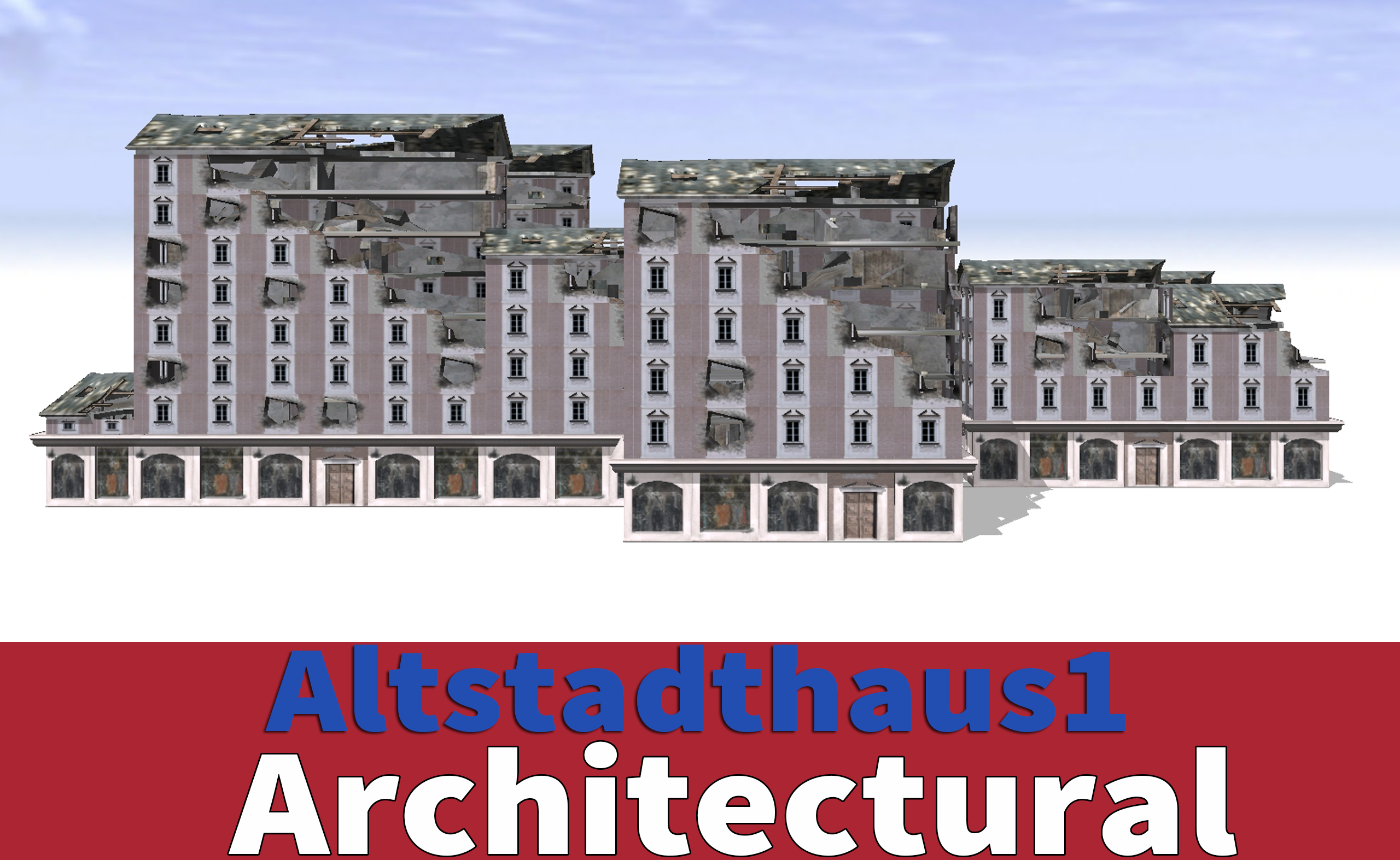
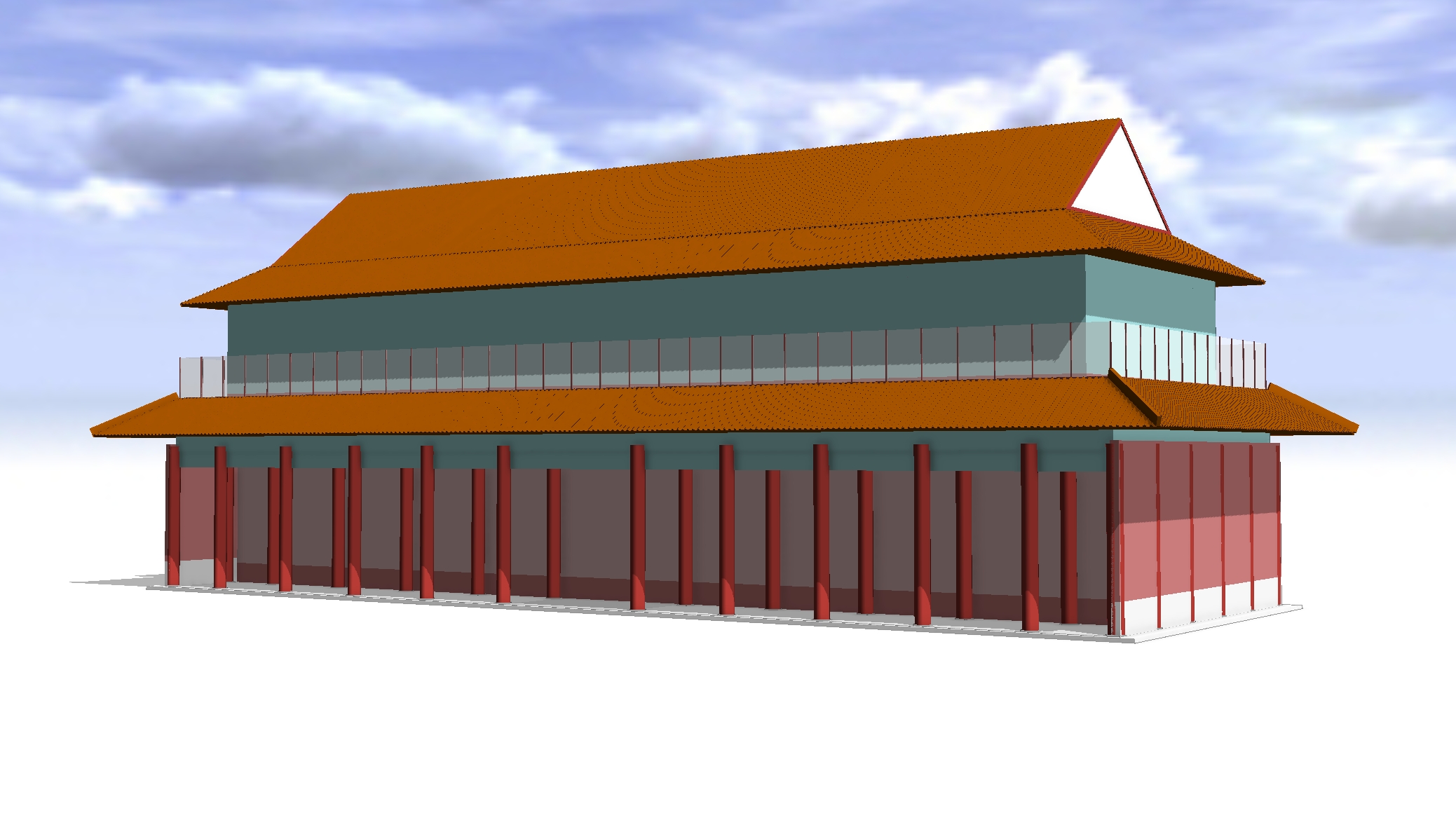
The details of the subject of our story can make them recognizable to readers, but they can also make them fascinating — think architecture, engineering, or historical artifacts. Exploring the 3D model of a building, aircraft, or skeleton in a scene showcases the details, giving readers the ability to explore every angle and appreciate the object in full context.我们故事中主角的细节能让读者认出他们,也能让他们变得极具吸引力——想想建筑、工程或历史文物就知道了。在场景中探索建筑物、飞机或骨骼的3D模型可以展示这些细节,让读者能够从各个角度进行探索,并在完整的语境中欣赏这些物体。
This level of detail not only informs but captivates, making your narrative richer and more immersive.这种详细程度不仅能提供信息,还能引人入胜,让你的叙述更加丰富和沉浸式。
How to 3D 如何实现3D效果
If you’re ready to bring a 3D model into your next story and wondering where to begin, this article is the perfect place to start. It walks you through essential file formats, shows how to publish directly from ArcGIS Pro, and even explains how to create an empty 3D object layer within ArcGIS Online.如果你准备将3D模型融入你的下一个故事,并且想知道从哪里开始,本文会是一个绝佳的起点。它将带你了解基本的文件格式,展示如何直接从ArcGIS Pro发布,甚至还会解释如何在ArcGIS Online中创建一个空3D对象图层。
Best practices 最佳实践
3D models can elevate your story — but only when they’re used with intention. Here are some best practices that can help ensure that your readers get the most from the 3D elements in your story:3D模型可以提升你的故事——但只有在有意使用它们时才行。以下是一些最佳实践,可帮助确保你的读者从故事中的3D元素中获得最大收益:
- A 3D model should serve a clear purpose, helping to explain, illustrate, or emphasize a key point rather than appearing as decoration.一个3D模型应当有明确的用途,它要能帮助解释、说明或强调一个关键点,而不是仅仅作为装饰出现。
- A 3D model without explanation can feel like a gimmick. Use captions, annotations, or accompanying text to tell readers what they’re looking at and why it matters.一个没有说明的3D模型可能会让人觉得是噱头。使用标题、注释或配套文本告诉读者他们看到的是什么以及其重要性。
- Large or overly detailed models can affect performance. Simplify geometry and textures, and test your story across different devices to ensure smooth interactions.大型或过于详细的模型可能会影响性能。简化几何图形和纹理,并在不同设备上测试你的故事,以确保交互流畅。




没有回复内容